By Ozlon
A Charlotte plumber advertising water heater replacement needs a page for that offer, not a second full website. Give the visitor a clear sequence: explain the job and coverage, answer the estimate question, and offer one workable next step. Keep other plumbing services easy to reach without letting them crowd the chosen offer.
What does a funnel first website mean for a plumber?
It does not mean every page must look the same or that you should hide the rest of your site. It means a page has a primary job. For a water heater replacement offer, the page should help a homeowner decide whether you handle the work, where you serve, what information you need, and how to take the next step.
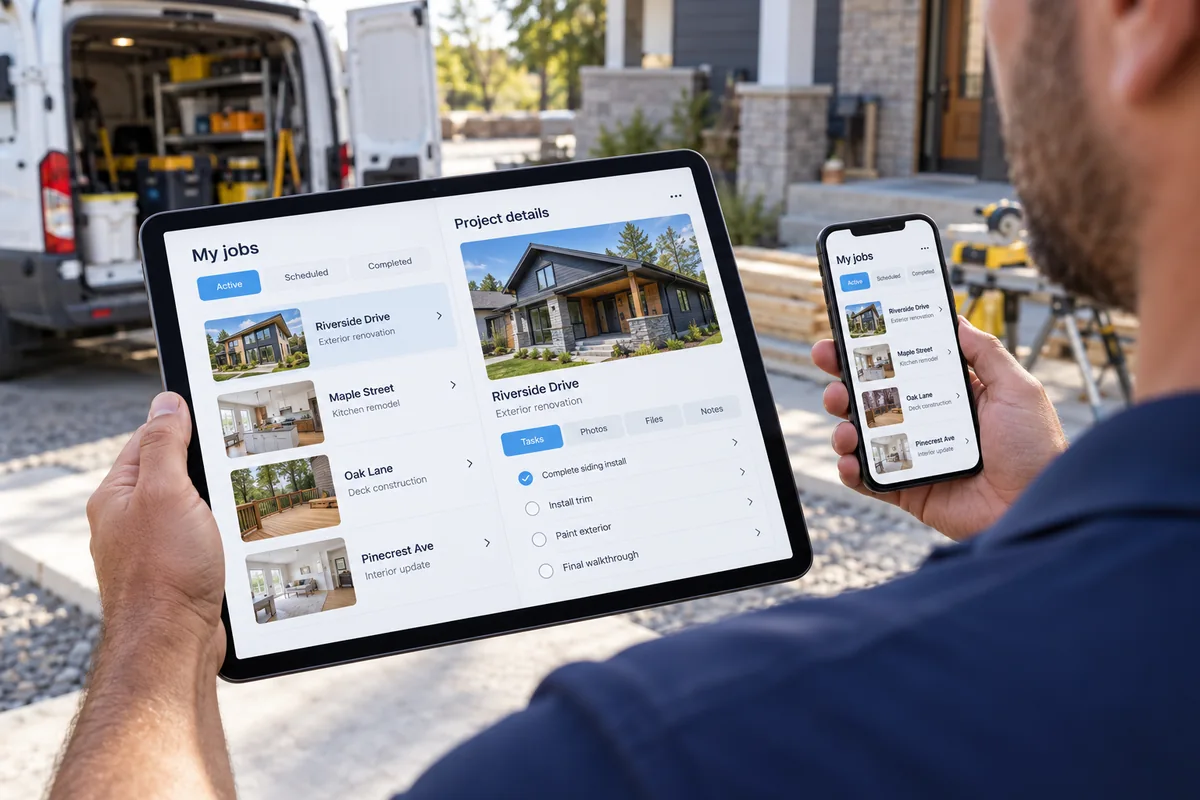
Online booking matters to many homeowners: 80% factor it in when choosing a service professional, according to the Housecall Pro, Housecall Pro, Home Service Customer Service Report, 2025. The survey describes a reported preference, not a promise that a booking button will produce more jobs for a particular plumber. It supports making a workable booking or contact route visible when your operation can honor it.
How should you map the visitor path?
- Choose one offer and audience. Pick a specific service, such as water heater replacement, rather than asking one page to sell emergency leak repair, drain cleaning, and new installations equally. Clarify which customers and locations qualify.
- Answer the first practical question. State the service and area in plain words. Explain whether the page is for a planned replacement estimate or another kind of request. Do not imply emergency response or a fixed price unless that is verified for your business.
- Address the decision concern. A homeowner may want to know what information to provide, how an estimate is arranged, or what happens after submitting a request. Answer the questions your staff hears, using your actual process rather than assumed service promises.
- Show relevant proof. Use genuine project photos, verified qualifications, and real reviews that the company is allowed to publish. A general testimonial may not answer a question about water heater work. Avoid invented numbers and placeholder quotes.
- Offer a primary action. Invite the visitor to request an estimate or book a consultation if your team can manage that route. Keep a phone option available. The button should lead to the form or schedule it describes, not a generic page that starts the journey over.
- Plan what happens after the click. Decide who sees the inquiry, what details are captured, and how the team follows up. Test the form on a phone and confirm that the record reaches the right person. If the service requires a conversation before booking, let the page say so.
How is a funnel different from a complete website?
A complete website helps different visitors find services, company information, service areas, and contact details. A focused landing page gives one audience a shorter path to one next action. The two can work together: the main site explains the plumbing company, while a page for water heater replacement supports a specific campaign or service question.
Keep the wider navigation available when visitors need it, but make the page's main purpose obvious. If a visitor must choose among many equally prominent buttons, the page may be functioning as a directory rather than guiding the selected offer.
What can go wrong with a narrow page?
A page can become too narrow if it leaves out information people need to trust the offer. A booking button is not useful if the calendar has no suitable availability or if the job is not eligible. A quote form can create unnecessary friction if it asks for details that the office does not need. Keep the path focused, but give visitors a phone route and a clear way to ask a question.
For a plumber in Charlotte, test the water heater page as if you were a homeowner with a planned replacement. Can you tell whether the service is offered, which neighborhoods are covered, what to submit, and what happens next? Then submit a test request and confirm the handoff. That is a practical check of the page architecture, not a forecast of sales.
How we decide
We map the intended offer to the page headline, service details, proof, form or booking route, and follow up owner. We review mobile site speed, calls, form submissions, and booking completion where those records exist. If visitors reach the page but the next action is unclear, we test the message and path before recommending broader site construction.
Frequently asked questions
Should every service have a separate funnel page?
Only when a service has a distinct audience, question, or next step that needs its own explanation. Do not create thin pages solely to multiply landing pages.
Can a funnel page replace the company website?
Usually it serves a different purpose. The full site helps visitors explore the business, while a focused page supports one offer or campaign. Choose the structure that fits how customers arrive and what they need to decide.
Should the main action be a form or a booking calendar?
Use the route your team can reliably handle. If a job needs screening before an appointment, use a request form or phone call. If visitors can select a real available time, a booking option may fit.
If your pages compete for attention instead of guiding a clear service request, ask us to map one offer through the website inquiry page. Our web design service can support the page structure, and our customer record and lead process service can help assess the handoff.
How this was made: written by the Ozlon team from our own method, with every outside figure checked against its source.