By Ozlon
An HVAC owner has just quoted a system replacement, and the homeowner checks the company site before deciding whom to call back. A professional website supports reputation when it makes the business easy to understand and backs up its claims with accurate details. It cannot substitute for reliable work, honest communication, or a real customer reference.
How does a website shape a contractor's reputation?
The site is often where a prospective customer checks the basics: which jobs the company handles, what area it serves, who will answer, and what the next step looks like. Clear explanations can reduce doubt. Incorrect hours, generic service copy, stock claims, or an unanswered form can do the opposite. A polished appearance matters less than whether the page tells the truth and works on a phone.
A 2025 consumer review survey found that 42% of respondents trust online reviews as much as personal recommendations. That result is about surveyed consumers and online reviews, not a measurement of website design or a promise that reviews produce work. It is a reminder that public proof should be genuine and consistent with what the site says. Read the BrightLocal Local Consumer Review Survey, 2025.
What is the risk of leaving your site out of date?
A homeowner who sees an old service list, a broken phone link, or claims that cannot be checked may hesitate or call to clarify basic details. The cost is a credibility gap and extra effort for both sides, not a guaranteed lost customer. If the business serves only certain towns or does not take every type of repair, say so clearly instead of implying universal coverage.
What should an HVAC business show on its website?
- State the actual services. Describe replacement, repair, or maintenance work the company accepts. Explain common trade terms in plain language and avoid claims about credentials or warranties unless they are verified.
- Make service area and contact details easy to find. List towns the crew really covers, keep phone and hours accurate, and make the phone option usable on a mobile screen.
- Explain the next step. Tell visitors whether to call, request an estimate, or ask a question. If a form is used, say what information helps route the request and do not imply that it is monitored as an emergency line unless that is true.
- Use proof you can stand behind. Show genuine team, equipment, or completed work photos with permission. If you use reviews, reproduce them accurately and do not edit them into a different promise. Do not use placeholder testimonials.
- Keep pages current. Review services, towns, hours, links, staff details, and forms when the business changes. Test the site from a phone and submit a test inquiry to confirm the handoff.
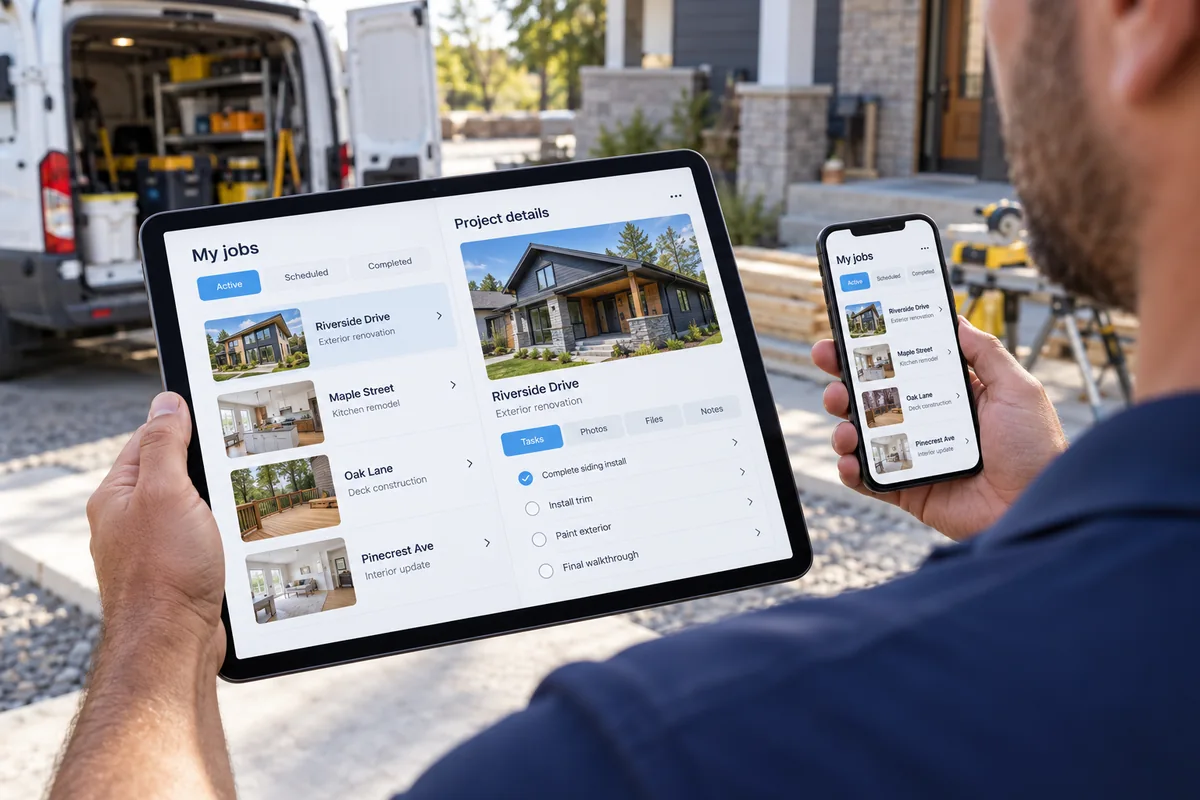
For an HVAC company in Charlotte, one useful page could explain how a replacement estimate is requested, what information helps the office respond, and what areas are served. A real photo of the team or equipment can add context if it is current and authorized. A homeowner can then judge the business on accurate information rather than a broad claim that it is the best.
Trust signals should be specific and checkable. A current photo tells a visitor what the actual team or work looks like; a clear process explains what happens after a request. If you display reviews or credentials, confirm the source and wording. A professional site should give a customer enough context to ask better questions, not manufacture a reputation through generic badges or inflated descriptions.
Check the site as a homeowner would. Open it with one hand on a phone, find the service that matches the estimate, and try the call or form. If a customer has to guess whether a replacement request is accepted or who will respond, the site has not yet made the next step clear.
How we decide
We would review service page clarity, search visibility, call volume, missed calls, reviews, site speed, and inquiry or booking records. Those signals can show whether customers can find the right service, reach the team, and complete the next step. We would distinguish a website issue from a service or follow up issue before recommending a redesign.
Ozlon's web design service describes new builds and rebuilds. Check the current pricing information for published offers, then use the inquiry page if you want a review of your site and customer path.
Frequently asked questions
Does a professional website guarantee a good reputation?
No. The site helps explain the business. Customer experience, accurate claims, and the work itself shape reputation too.
Should I publish every customer review?
Use only authentic feedback and follow the review source's rules. Do not alter the meaning or imply that one person's experience is typical.
How often should I check the website?
Review it whenever services, hours, staff, or locations change. Also test the main contact path regularly so broken links or forms do not linger.
How this was made: written by the Ozlon team from our own method, with every outside figure checked against its source.