By Ozlon
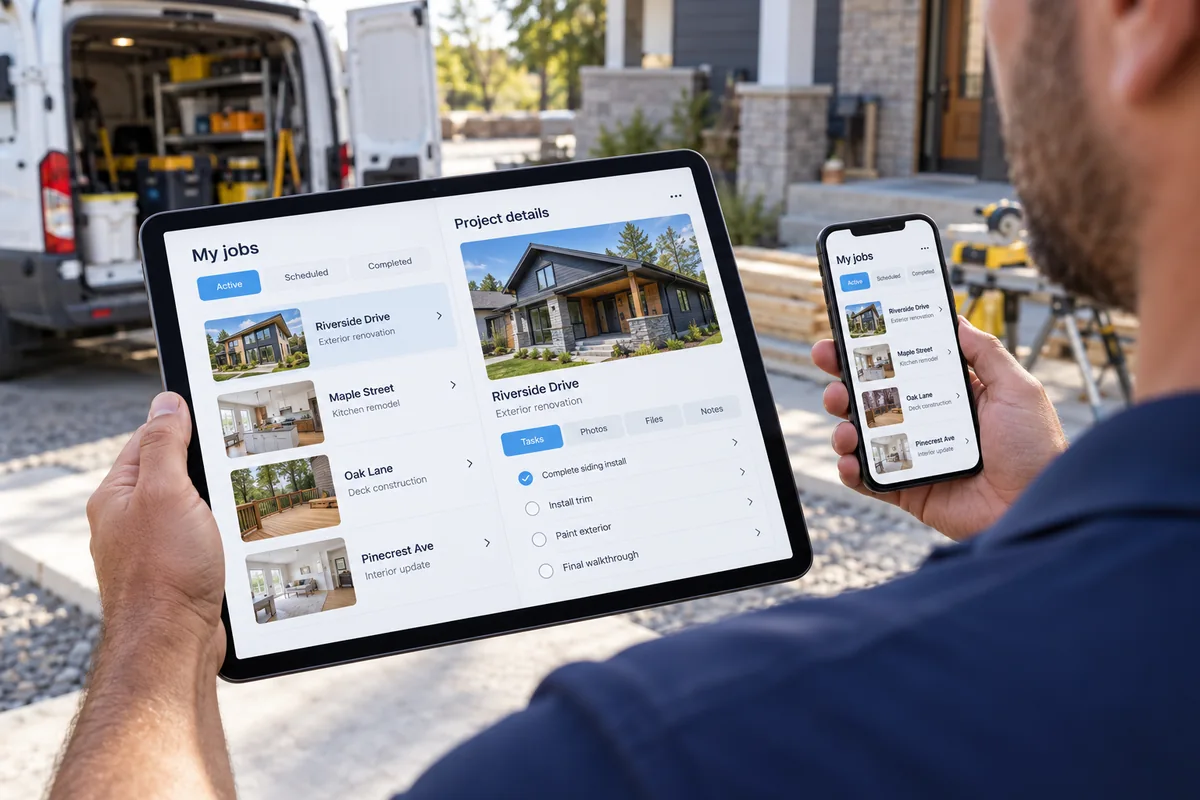
A homeowner calls a landscaping company about a drainage concern after last spring's grading work. If the person answering cannot find the prior visit or the note about the slope, the customer has to start over. A shared customer record can preserve the useful context, but it only helps when the team keeps it accurate and uses it to guide a real conversation.
Customer relationship management, or CRM, is the practice of keeping contact details, conversations, service history, and next actions organized so the people serving a customer can see what has already happened. For a landscaping business around Lake Norman, that might mean a note about the area of the yard discussed, the estimate sent, and whether a seasonal check in was requested. A 2025 home service survey reported that 73% of homeowners would refer a company after excellent service. It describes homeowner expectations, not a result caused by customer records. See the Home Service Customer Service Report, 2025.
What should a useful customer record contain?
Keep information that will help the next person answer the customer's question or take the next agreed action. A landscaping office may need the customer's preferred contact method, property address, requested work, estimate status, and the date and outcome of the last conversation. Avoid notes about sensitive details that do not help the service relationship. Correct a record when a customer's contact information changes.
A CRM does not make a customer relationship personal by itself. It can help staff see which project is being discussed, who last spoke with the customer, and whether someone promised a follow up. It cannot make an estimate accurate, fix a planting issue, or replace a thoughtful call. Ozlon's customer records and lead pipeline page describes the role of shared customer information.
How can a local service team use customer history well?
1. Agree on a small set of stages
Use labels that match the real work: new request, site visit needed, estimate sent, work scheduled, completed, and follow up due. A landscaping crew does not need a dozen stages if nobody knows when to move a record. Decide which person can update each stage.
2. Record facts, not assumptions
Write what the customer asked for and what the company agreed to do. For example, after a drainage walk through, note that an estimate was sent and that the homeowner wants to review it with a spouse. Do not mark the opportunity as likely to close or infer a budget from the size of the property.
3. Make one next action visible
If the customer asks for a check in after reviewing a quote, assign the task to a named person with a due date your team chose. If the customer says they will call back, record that rather than launching repeated messages. A next action should honor the customer's preference.
4. Keep marketing separate from service follow up
An estimate question is not permission for an ongoing promotional sequence. Keep service communication relevant to the request, follow applicable consent rules, and stop outreach when the customer opts out. If the team is unsure whether a message is expected, ask a person to review it.
5. Review records on a schedule
Look for duplicate contacts, stale phone numbers, missing owners, and open estimates with no recorded next action. Assign one staff member to correct the data and agree on how old records should be handled. A clean record can still be incomplete, so check the source conversation when the detail matters.
What happens when records are neglected?
Two staff members may call the same homeowner, an estimate may remain open without a decision, or a new employee may not know what was promised. These are risks to check, not assumed losses. Moving every old spreadsheet into a new system without reviewing it can multiply the clutter. Start with the active records and the information the team needs this week.
How we decide
We would review incoming calls, website inquiries, lead ownership, service notes, open estimates, and the next recorded action. For a landscaping company, we would check whether job type, service location, and estimate context are easy to find without treating a seasonal inquiry as a booked project. We would identify missing or inconsistent information before recommending new automation. That is a process for reviewing records, not a promise of better retention.
Some teams need help with both their web intake and customer record process. Review the web design page for website work, then send one example of a customer handoff through the inquiry page. Check the pricing page for current published plan details rather than assuming a feature is included.
Frequently asked questions
Does a CRM automatically improve customer relationships?
No. The system can show staff what happened and what is due, but people still need to provide the service, communicate clearly, and honor commitments.
Should every conversation go into the record?
Record the information needed for service and follow up. Keep notes factual, useful, and appropriate. Do not collect details simply because a field is available.
How should a small company start?
Pick one active service line and agree on the record fields, stages, and next action that the team will maintain. Test it with current requests before importing a large archive.
If customer history is split between a phone, spreadsheet, and staff memory, ask Ozlon to map one example and the next action through the inquiry page. Bring a recent service request, not a full customer export.
How this was made: written by the Ozlon team from our own method, with every outside figure checked against its source.