By Ozlon
Your plumbing crew is under a sink in Huntersville when a homeowner searches for a water heater replacement and lands on a page that lists every service but explains none. Search visibility may bring the visit. Clear page structure and a useful next step help that visitor decide what to do.
Search friendly web design means organizing pages around real customer questions, making them usable on a phone, and explaining your services and locations accurately. It does not promise a top position. For a Charlotte contractor, it means a person can understand whether you take the job, find a working way to contact you, and get a response from the right person.
What is the cost of leaving search and design disconnected?
A site can be indexed and still fail the customer who arrives. If the service page is vague, contact details are buried, or the phone layout is difficult to use, search impressions may not turn into useful inquiries. The 2025 SMB Marketing Report from BrightLocal found that 72% of surveyed small and medium businesses said search engine optimization had a medium to high impact on their business. That is a report of business owners' views, not evidence that any one tactic will improve a Charlotte plumber's results.
The practical risk is spending time on content that does not answer the questions customers ask, while basic issues remain: an old phone number, an inaccurate service area, or a form no one owns.
How do you make a local service site easier to find and use?
- List the work you want. Separate water heater replacement from drain clearing if customers need different details or estimate steps. Use the terms your customers use and explain the scope in plain language.
- Build a sensible page path. Give the main services clear pages, link them from the services area, and connect each page to a contact option. Headings should describe the section rather than repeat search phrases.
- Make local details honest. Name Charlotte and nearby towns only where the company actually works. Keep address, hours, service territory, and contact details consistent with the way the business operates.
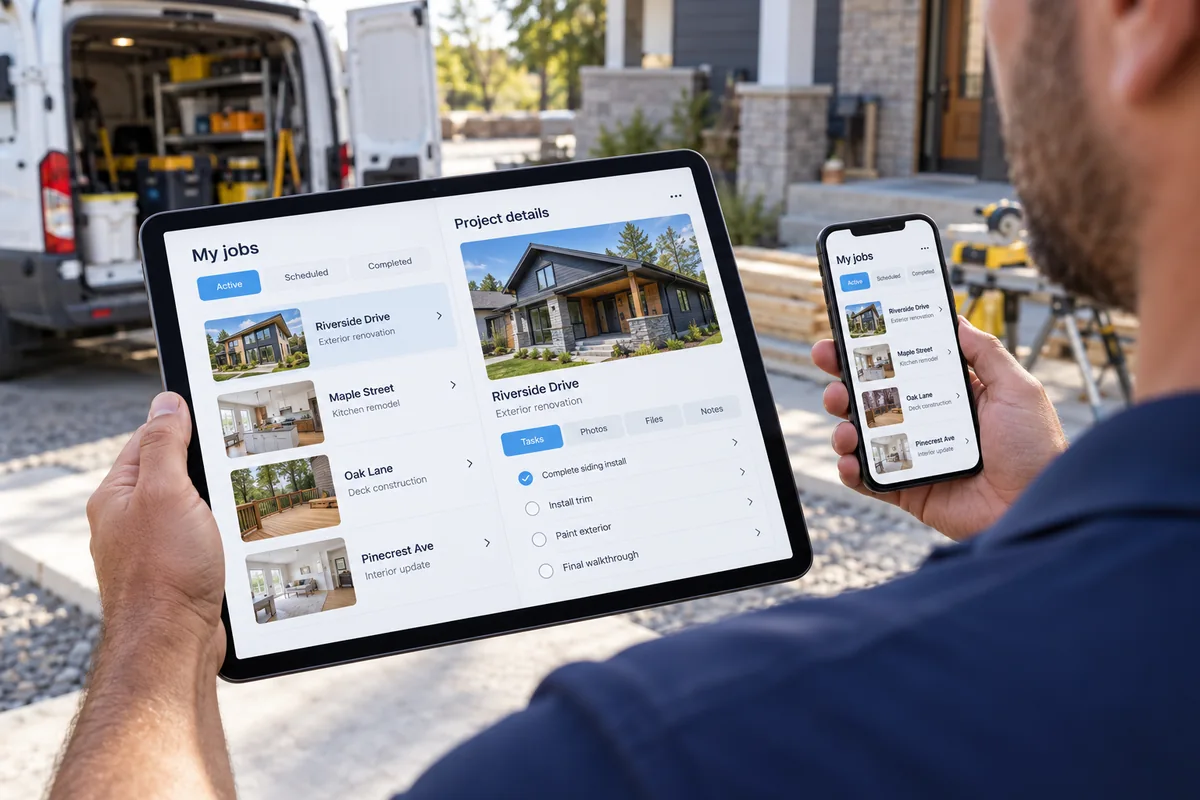
- Check the phone experience. Read the service page on a phone, tap the call link, and submit the form. Confirm that images fit, text is readable, and the next action is not hidden below a long block of copy.
- Review what happens after contact. A named staff member should review a new inquiry, confirm the job fits the service area, and record the next action. If a customer asks for urgent leak help, the page must not imply that an unattended form is an emergency dispatch line.
For example, a plumber serving Huntersville could have a water heater page that explains replacement estimates, notes the true service area, and offers a phone call or short request form. A separate page for drain clearing should answer the questions relevant to that work rather than reuse the same copy with a different keyword.
Ozlon's search optimization service describes technical, content, and local search work. See the web design page for site and lead capture scope, and the Charlotte plumbing marketing page for trade context.
How we decide
We would inspect search visibility by service and location, the pages receiving visits, call volume, missed calls, reviews, site speed, and booking rate. Then we would compare those signals with real inquiry records: service requested, town, contact method, and the next recorded action. We check definitions and data quality first, so a page change is tied to an observed problem rather than a guess.
What should you verify before changing the site?
- Does each important service page explain the work your crew accepts?
- Are the towns, hours, and phone details correct?
- Can customers call or submit a short inquiry on a phone?
- Does the office know which person reviews each lead?
Does search friendly design guarantee better rankings?
No. Clear structure and accurate content support access and usability, but search positions depend on many factors outside a single redesign. Review actual visibility over time and avoid promises of a particular rank.
Should every town have its own page?
Only when the business genuinely serves that town and can give customers useful, distinct local information. Pages that simply swap a town name can confuse customers and add little value.
How can I start?
Ask Ozlon to review one service page and its contact route through the free audit page. Share the service and towns you want to prioritize so the review can focus on an actual customer path.
How this was made: written by the Ozlon team from our own method, with every outside figure checked against its source.